

A Guide to Applying for Cambridge and Oxford University
Applying to the University of Oxford or the University of Cambridge can feel like a huge deal. These are two of the oldest universities in the UK, known globally for their academic excellence, traditions, and famous alumni.
But here’s the truth: if you’re serious about how to get into Oxbridge, it’s absolutely doable with the right preparation, mindset, and a bit of insider knowledge.
To help you with your applications, here’s your no-nonsense breakdown of how to get into Oxford University and how to get into Cambridge University. No fluff, just tips you’ll actually need!
Oxford vs Cambridge: Which is Best For You?
Before diving into Oxbridge applications, you need to answer one key question: Oxford vs Cambridge, which one suits you better? You can’t apply to both in the same year, so choosing matters. Here are some of the factors you should take into consideration:
Degree and Modules
One of the biggest differences in the Oxford vs Cambridge debate is how courses are structured.
At Oxford, courses are often more fixed. If you already know exactly what you want to study, this can be ideal. Cambridge, on the other hand, is slightly more flexible (especially in subjects like Natural Sciences, where you can explore multiple areas before specialising).
Additionally, specific courses matter. For example:
-
Cambridge medicine entry requirements are famously rigorous, with strong science grades and admissions tests.
-
Cambridge law entry requirements place a heavy emphasis on analytical thinking and written work.
So if you’re wondering how do you get into Cambridge or Oxford, understanding your course is the first step, and quite possibly the most important one in your decision. It’s not just about the university, it’s about the subject fit, too.
University Rankings
Let’s be real, rankings are often what pull students towards Oxford and Cambridge in the first place. Both consistently sit near the top globally, so the Oxford vs Cambridge decision rarely comes down to “which is better” academically. Instead, it’s about which is better for you.
That said:
-
Oxford is often slightly stronger in the humanities
-
Cambridge tends to edge ahead in STEM subjects
But honestly? You won’t be limiting yourself either way when applying to Oxford and Cambridge.
Location and Culture
This is where things get more personal.
Oxford feels a bit more like a city; busier, more spread out, and closer to London. While there are plenty of things to do in Cambridge, it is, on the other hand, a lot smaller, quieter, and often described as more “campus-like”
One of the things you should know before starting uni is that this matters more than people expect. Your lifestyle, social life, and even stress levels can be shaped by where you live.
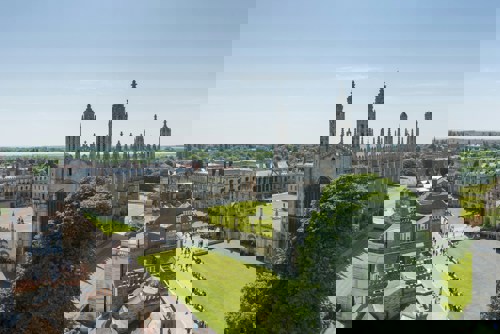
How to Get Into Oxford and Cambridge
Now for the part you’ve been waiting for: how to get into Oxford University and how to get into Cambridge University.
While both are highly competitive, they’re not looking for perfection; they’re looking for potential.
Oxford Entry Requirements
If you’re wondering how to get into Oxford University, start with the basics:
-
Typical offers: AAA at A-level
-
Strong GCSEs (especially for competitive courses)
-
Admissions tests (course-dependent)
-
High-quality personal statement
People often ask, “How hard is it to get into Oxford University?” And while yes, it is competitive, Oxford cares less about ticking boxes and more about how you think.
And don’t get too caught up in how many UCAS points you need for Oxford. While not formally required, successful applicants often hold roughly 144–168 UCAS points, but Oxbridge don’t tend to focus on points; they care about academic depth.
Cambridge Requirements
The expectations for getting into the University of Cambridge are similar, but sometimes even more academically-focused.
-
Typical offers: AAA–AA*A
-
Strong emphasis on subject-specific ability
-
Admissions tests for many courses
-
Additional forms
A key difference in the Cambridge University application is that you’ll often need to complete an extra questionnaire after submitting UCAS. This is part of the Oxbridge application process and something students sometimes miss.
Cambridge University’s acceptance rate is extremely low (around 16%–20%), which is why preparation really matters.
Applying to Oxbridge
The Oxbridge application process is more intense than a standard UCAS application, but manageable nonetheless if you stay organised.
Complete Your UCAS Application
All Oxbridge applications go through UCAS, but with much earlier deadlines. The Oxbridge application deadline is usually mid-October, which is much earlier than other universities.
Fill Out The Necessary Forms
When applying to Cambridge, you’ll likely need to complete an extra form after UCAS submission. This is part of the Cambridge University application and includes academic details. Oxford doesn’t usually require this, but always double-check your course!
Write Your Personal Statement
Writing a personal statement is crucial if you genuinely want to know how to get into Oxbridge. This isn’t about listing achievements; it’s about showing:
-
Your passion for the subject
-
Independent reading or research
-
Critical thinking
Think less “CV” and more “why I’m academically obsessed with this topic”.
Notify Referees As Soon As You Can
Your teacher’s reference is a key part of Oxbridge admissions. Give them plenty of notice so they can write something detailed and supportive.
Book and Prepare for Any Admission Tests
Many courses require admissions tests. These are a big part of how to get into Oxford University and how to get into Cambridge University. So book early and prepare properly; don’t wing it!
Gather Examples of Your Work
On some courses, especially if it’s a humanities one, you’ll have to do a lot of written work. So keep your best-written essays handy because submitting some of your top pieces is essential for applying to Oxbridge.
Submit your Oxbridge Application
Once everything is ready, submit before the Oxbridge application deadline. This is a strict rule; late applications aren’t accepted, and there are no exceptions.
Tackle your Admission Tests
These tests are designed to challenge how you think, not just what you know. They’re a major part of the Oxbridge application process, so practise as many past papers as you can!
Oxbridge Interviews
This is where things get real. Oxbridge interviews are a huge part of the process and, for most students, the most nerve-wracking.
When You Will Be Contacted
If shortlisted, you’ll usually hear in late November or early December.
What to Expect
Honestly, these interviews aren’t about catching you out. They want to see how you think. It’s usually just a conversation between you and one of the tutors that lasts around 25–45 minutes, focusing on subject-specific questions, unfamiliar problems, and your personal statement.
Who Will Interview You
It’s usually a tutor from your course or an expert in your subject area who conducts your Oxbridge interviews.
What You’ll be Asked
Often asked at the start of the interview to settle your nerves or gauge your commitment to the subject, you’ll be asked general, motivational questions, such as “why this university?” or “why do you want to study this subject?”
The bulk of your interview will be based on subject-specific problem-solving questions. Essentially, the tutors will present you with a concept or problem to see how you use your existing A-level knowledge to solve it. From “How would you measure the earth?” for STEM students and “Should books be banned?” If you're applying for a humanities course, the questions really do range. You may even be asked to analyse a graph, image, text, or object in the interview.
At some point in the Oxbridge interviews, you’ll likely be quizzed on your CV, so make sure you know it like the back of your hand. You could be quizzed on anything from the most challenging aspect of your work experience to the book you mentioned in your personal statement.
It’s also not uncommon for Oxbridge to ask open-ended questions that are totally bonkers. Not to test your knowledge, but to evaluate your creativity, imagination, and ability to tackle different types of problems.
Preparing for your Interview
Interviews can feel like the most intimidating part of the Oxbridge process, but they’re really just a chance to show how you think. With the right preparation, you can go in feeling confident and ready to tackle whatever comes your way.
Refamiliarise Yourself With Your Oxbridge Application
Know your personal statement inside out, upside down, and back to front. If you mentioned a book, be ready to discuss it in depth.
Research the Course
Understanding your course deeply is key to Oxbridge application support. A good starting place is to look at reading lists and current topics.
Practise Interviews
Oxbridge mock interviews are one of the best ways to prepare. Ask teachers or mentors to simulate the experience so you can walk into the real deal with confidence.
Staying Calm
We get it, it’s easier said than done. But remember, the interviewer wants you to do well! They aren’t setting you up to fail.

When You’ll Hear Back
Most students who have applied to Oxbridge want to know when Cambridge offers come out. After interviews, decisions usually come in January, a similar time to Oxford. This is one of the most nerve-wracking parts of applying to Oxford or Cambridge. But once it’s done, it’s done.
FAQs
Still got questions? You’re definitely not the only one. Here are some of the most common things students ask about Oxbridge applications, answered clearly and simply.
Can you apply to both Oxford and Cambridge?
No. One of the key rules when applying to Oxbridge is that you can only apply to one per year. This is to make things fair for other students and deal with the high volume of applicants they receive yearly.
What grades do you need to get into Cambridge?
One of the Cambridge entry requirements that varies by subject is the grades that are needed to get into the university. Typically, A*AA or higher is required.
What grades do you need to get into Oxford?
Similar to Cambridge, you’ll usually need AAA to get into the University of Oxford.
How hard is it to get into Cambridge University?
The Cambridge University acceptance rate is low, making it very competitive. In fact, its undergraduate acceptance rate sits around 16%–17%. But don’t let this put you off applying; strong applicants with the right preparation have a real chance!
How hard is it to get into Oxford University?
With an acceptance rate of around 13%–16%, it’s also highly competitive, but very achievable if you understand how to get into Oxford University properly and prepare yourself early.
How many UCAS points do you need for Oxford and Cambridge?
Oxbridge don’t really focus on UCAS points; it’s more about your grades and performance that matter the most. Based on previous successful applicants, though, we’d say aim for 144–168.
When are Oxbridge interviews?
Usually, Oxbridge interviews are held in late November or December. It’s always best to do practice runs before it, though, so you can feel fully prepared before the big day!
Student Accommodation in Oxford and Cambridge
So if you are seriously researching how to get into Oxbridge, the biggest takeaway is this:
It’s not about being the smartest person in the room; it’s about being curious, prepared, and genuinely interested in your subject.
Getting into Oxbridge is only one part of the journey. Figuring out where you’ll live is just as important. Once your acceptance letter comes through, you’ll need an accommodation to not only live in, but also thrive. Centrally located and complete with study rooms, social calendars, and common rooms, we’ve got everything you need to succeed. Book your stay at The Cam Foundry in Cambridge or The Spireworks in Oxford today.